
Systems That Stick for Neuro Spicy Photographers: A practical conversation with Emily Gbadamosi of Woodall Creative Co
If you have ever opened Instagram to post something for work and then blacked out for 17 minutes watching videos of a woman power washing her driveway, you are my people.
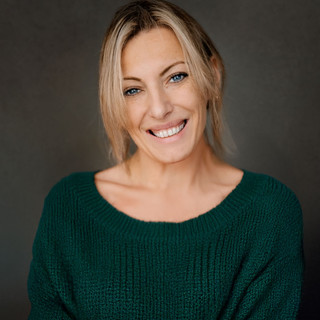
This episode is a conversation I recorded with Emily Gbadamosi, a Bay Area photographer and systems expert, about what it actually looks like to run a photography business when executive function is not your strong suit. We talk CRMs, automations, follow ups, and the kind of backend structure that makes your business feel calmer without turning you into a robot.
Emily also has the rare combination of being deeply organized and deeply human, which is probably why she can handle photographers like me.
Emily’s origin story (and why it matters)
Emily started out in education. She worked as a school counselor for ten years, then became a high school vice principal. While she was doing that, she was building her photography business on the side (because of course she was). Eventually she went full time with photography in 2023.
Then she noticed something in the photography community that made her lean back into education. Most photographers are not struggling with lighting or camera settings. They are struggling with the backend: inquiries coming from ten different places, inconsistent communication, pricing confusion, and that constant feeling that something is falling through the cracks.
Her brain immediately went to: this is solvable. Not with hustle. With systems.
The tipping point: too many places for things to get lost
Emily described that early phase so many of us recognize. Inquiries came in through random platforms, contact forms dumped into spreadsheets, and everything relied on memory.
And memory is not a reliable business tool.
She needed one central place to keep client communication, contracts, invoices, and projects organized. That is when she found HoneyBook, and it became the thing that made her business feel sane again.
Not perfect. But stable.
There is no one size fits all CRM
This was one of my favorite points in the episode because it is the part people skip.
A CRM can be powerful. It can do everything. It can be the most robust system on the market.
And if it does not work with your brain, it will not work. Period.
Emily said the key is knowing what you need the CRM to do before you pick it, because each platform has its own nuances. The best CRM is the one you will actually use.
I shared that I have tried the big ones (HoneyBook, Dubsado, Sprout) and I always come back to what feels natural for me. For now, that is Pixieset, because I am already in there constantly. If the tool fits your tendencies, you will show up for it without having to fight yourself.
Your system has to work for your client too
A lot of photographers accidentally build workflows that make sense to them and feel confusing to everyone else.
Emily sees this constantly.
The biggest problem is when there is no clear path from inquiry to booking. The back and forth creates friction, and friction kills bookings.
If a potential client has to email you, wait, email again, wait again, then ask what dates you have, and wait again, they might book someone else who simply sent a link and made the process easy.
Being responsive matters. And yes, automated responses count, as long as the experience still feels warm and clear.
The magic of follow ups (and why it is not pushy)
We talked about the “magic email” concept, and I will say it again: follow ups are not desperate. They are helpful.
Emily shared that she booked three clients in one week purely from follow ups that were automated. She did not have to lift a finger.
Most people are not ignoring you because they hate you. They are busy. They are feeding kids. They opened the email, meant to reply, and then life happened.
A good follow up system brings your email back to the top of their inbox and gives them a way to move forward without starting over.
Automations are underused because they feel overwhelming
Emily said something important: most people sign up for a CRM and use the basics. Contracts. Invoices. Maybe a template or two.
But the part that actually changes your life is the automation.
HoneyBook recently rolled out more advanced automations with conditional logic, meaning the workflow can change based on what the client does. If they book, they go down one path. If they do not, they get a follow up sequence. If they pay, it triggers the next step.
It is the closest thing to having an assistant quietly running the boring parts of your business behind the scenes.
What to automate, and what to keep human
I pushed back a little here because I do not love the vibe of automating every breath you take.
Emily agreed.
Not everything should be automated. Some things need a real human response.
But the repetitive stuff, the stuff that does not require intimacy, the stuff you forget to send because your brain is juggling twelve tabs, that is what you automate. Client prep info. What to expect next. Payment reminders. Session timing. Review requests.
And if you feel weird about it, you can literally say in the email: “This is an automated reminder so nothing gets missed.”
Clients love being supported. They do not care if the reminder was sent by you or a workflow, they care that they feel taken care of.
Post session workflows matter more than photographers think
Emily shared a simple post session system that I loved because it is realistic.
She sends sneak peeks within 24 to 48 hours via text, just because it is fun.
Then she has an automated email that goes out about 24 hours after the session recapping what happens next: gallery delivery timing, how to order prints, and where to leave a review.
Then another email goes out later, once the gallery has been delivered, including a free shipping code for prints and another gentle review prompt.
It is simple. It is thoughtful. And it extends the client experience past “here are your photos, bye.”
When should you switch CRMs
Not in the middle of busy season. Ask me how I know.
Emily recommends making changes during your slow season, whatever that looks like for your specific niche. If you work with her, her process is typically a two to three week setup plus 30 days of support once everything is live so you can tweak what needs tweaking once real inquiries start coming in.
How photographers can work with Emily
Emily runs the education side of her business under Woodall Creative Co, and she offers a few ways to get support, including full HoneyBook setups and automation upgrades for people who are already established but want their workflows rebuilt using the newer tools.
Her approach is very much: this has to work for your brain and your client journey, not mine.
You can find Emily here:
Website: https://woodallcreative.co
Instagram: @whatallcreativeco
Free Workflow Wellness Checklist: https://woodallcreative.co/podcast
If you are feeling scattered, start here
If you are overwhelmed by systems talk, here is the simplest place to begin:
Make one central home for inquiries
Create one clear path from inquiry to booking
Build one follow up sequence for the people who ghost
Automate the emails you send every single time anyway
You do not need to become a different person to run a sustainable business. You just need a structure that supports the person you already are.
To hear the full conversation with Emily Gbadamosi and learn more about building systems that actually work for your brain, listen to the episode and grab her free workflow wellness checklist at https://woodallcreative.co/podcast


Comments