
Real Estate Photography That Actually Sells the Dream: A Conversation with Clay Banks
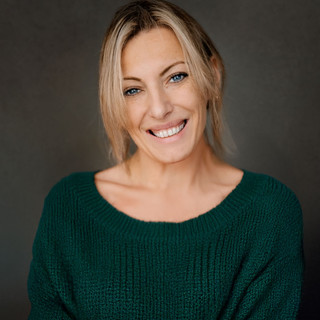
If you’ve ever scrolled a real estate listing and thought, Wait, why does this cabin look like a magazine spread and the next one looks like evidence photos… this episode is for you.
I sat down with my friend Clay Banks, a local-to-me real estate photographer (Roscoe, NY) who has quietly become one of the go-to people in the Catskills and beyond for photographing homes, short-term rentals, and commercial spaces. And what I love about Clay is that he’s not just documenting rooms. He’s selling the feeling of being there.
In this conversation, we get into how he got started, what makes his work different, why he doesn’t use flash, and what trends are reshaping the whole “real estate photography” world.
From software developer to creative again
Clay didn’t come up through a traditional photography path. He started as a creative kid (drawing, illustrating, animation, wanting to build video games), then went into software development and realized over time that the “creative muscle” was basically… asleep.
So he did something very Clay: bought a Nikon D5300, booked an international trip to Japan the same week, and decided he’d learn photography on the road.
From there, it turned into travel photography (waterfalls, mountains, wildlife), then people started asking him to shoot portraits, and eventually he went through a phase he calls “urbex” (urban exploration photography), which is essentially photographing abandoned spaces and taking risks to get shots other people couldn’t.
It wasn’t just about the photos. It was about the challenge and the obsession of getting better.
Why COVID created the perfect storm for this niche
Clay and I talked about what changed around 2020, especially in areas like ours. When city people started buying properties upstate for second homes and Airbnbs, suddenly there was a massive need for good photography.
And not the “wide lens, flash-blast, bleach everything white” kind of photography.
What Clay is doing is closer to lifestyle interior work. He stages. He tells stories. He makes the space feel lived-in (in a good way). A lemon cut in half on the counter. A chair moved so the fireplace actually matters. Details that imply: people have fun here.
That approach matters because the goal isn’t just “here is a room.” The goal is “here is the life you want.”
Gear talk: simple setup, strong eye
Clay keeps his setup straightforward:
Sony a7 IV (and an a7 III backup)
16–35mm for wide shots
50mm for detail and “lifestyle” moments
DJI Air 2S drone
A tripod that cost him about $20
And here’s the part that makes photographers either cheer or clutch their pearls:
He never uses flash.
Instead, he relies on natural light, thoughtful composition, and post-processing tools (including Lightroom’s denoise and a lot of masking) to balance tricky spaces.
His preference is: how the room looks with your own eyes is how the photo should feel.
His on-site workflow: “Please don’t be here”
Clay was very honest about something a lot of service providers relate to:
He prefers to shoot alone.
Not because he doesn’t like people, but because he works best when he can focus, stage, move furniture, and make creative decisions without being watched or second-guessed. He will collaborate (and has worked with stylists and creative directors), but the average shoot? He thrives solo.
A typical three-bedroom, two-bath home can take him around three hours on site.
And his process includes blending work that most people don’t think about. Example: a dark room with a framed photo behind glass. The window reflection blows it out, so he’ll take one exposure for the room, then another with the window blocked (sometimes literally with a blanket) so the framed piece reads correctly, then blend the images later.
It’s like a “head swap,” but for interiors.
Composition choices that make the difference on a phone screen
One of Clay’s strongest points (and I loved hearing him articulate this) is how intentional he is about cropping and framing for how people actually consume listings.
Everyone is on a phone.
So while it’s tempting to go ultra-wide and show three walls, he’d rather back up, then zoom in until there’s just enough to tell the story without losing the details he worked hard to stage.
You don’t need to show every corner of a room to communicate the room. You need to show what matters.
Marketing: he doesn’t advertise at all
Clay has done zero advertising.
He shoots part-time (he also has a full-time career), and he’s still overwhelmed with inbound inquiries. It’s referral, word-of-mouth, Instagram, and the reality that once you’re in with the right people, the work multiplies quickly.
This is one of the reasons this niche is so interesting: B2B work has a different energy. Less emotional buying. More “does this help me sell this property and make money.” The transaction is clearer.
Editing: where the time really goes
Clay does all his own edits and described it as extremely time consuming, especially:
Removing wires
Cleaning up stains and smudges (stainless appliances, mirrors)
Removing leaves/debris on decks
Fixing color casts (hello, green summer light bouncing into everything)
His workflow is typically:
Color correct in Lightroom
Exposure balancing and masking (especially windows and shadows)
Export to Photoshop for distraction removal and cleanup
So yes, it’s way beyond “a preset and a prayer.”
Challenges: the best houses are far away
A funny reality he mentioned: the most stunning homes are often two+ hours away.
But he’s come to enjoy it, because the drive becomes part of the experience: playlist, windows down, new restaurants, a little adventure built into the workday.
(Also: driving far upstate is often easier than driving a short distance with annoying traffic. Facts.)
Trends: listings aren’t just listings anymore
The biggest shift Clay sees right now is this:
Brokerages are building brands.
They need high-end images and reels for social, not just photos for MLS. And the Catskills in particular is being sold as a lifestyle fantasy to people who don’t live here but want to.
So the photography has to do more than show a room. It has to create desire.
And for Clay specifically, the next step is video. He’s actively learning and refining it because he sees it as the missing piece for a full, powerhouse package.
His biggest advice: keep going (the bamboo effect)
When I asked Clay what decisions got him to where he is now, his answer wasn’t a hack. It was consistency.
He referenced the bamboo analogy from Atomic Habits (James Clear): bamboo spends a long time building roots underground before it shoots up dramatically.
Same thing applies here. You don’t see the groundwork, the practice, the missed shots, the slow improvement… then one day people act like you “blew up overnight.”
Pricing: raise rates when demand rises (and protect your time)
Clay’s pricing evolved based on time and demand. As he got busier, his prices increased. That naturally filtered out lower-budget clients, and he ended up working less while making more.
He also had a really good point: if you try to be the cheapest option, people will treat you like it. They won’t respect your time, and burnout comes fast.
He currently offers:
Tiered packages (standard, deluxe, premium)
Add-ons like video, reels, floor plans, property maps, brochures
And he sometimes captures extra content (like a short drone video) and offers it after the fact
He said no one has ever said no.
One thing homeowners and hosts should do before the shoot
Clay didn’t hesitate:
Clean your mirrors.
Because mirror smudges are weirdly hard to photoshop convincingly. (Also: clean the house in general. And please don’t leave dishes in the sink. He will shove them in a closet, but he will remember.)
Where to find Clay
Instagram: @Clay.Banks
Website: claybanks.info
If you’re a realtor, host, or business owner with a space that needs to look like the dream you’re selling, Clay is your guy.
To hear more about real estate photography that sells the lifestyle (and Clay’s full workflow), check out this episode of the podcast with Clay Banks.


Comments