
How I Built This with Rachel Larsen Weaver
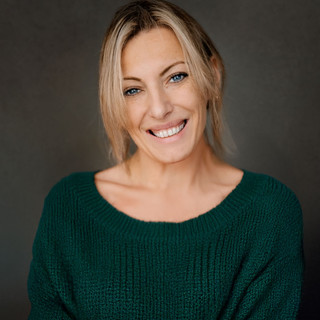
If you are in that stage where you are doing the work, trying everything, learning fast, and still wondering when it’s going to click, this episode is for you.
Rachel Larsen Weaver came back on the podcast as my first return guest, which felt right, because I could genuinely listen to her talk all day. This time we dug into the origin story. Not the polished version where someone “followed their passion” and magically landed in the right niche. The version with detours, side quests, mistakes, and a couple of moments that were honestly brutal.
And also, the version where she figured out what she actually wanted, then built a business that matched it.
Before photography, Rachel was a restaurant person and then a teacher
Rachel’s career didn’t start in photography. She was waiting tables in restaurants as a teenager and through college, and she loved it. Like loved it loved it. The kind of love where you are convinced you’ve found the thing you’re best at.
After college, she found out she was pregnant and moved back home. Through a last minute chain of events that makes no sense and yet makes total sense, she landed a full time English teaching job in a public high school, despite having an English degree, not an education degree, and basically zero teaching experience. She took it, because sometimes life hands you an opportunity and you say yes first and figure it out later.
She taught for eight years, raised kids, and did the whole “make it work” thing. There were pieces she loved, especially mentoring teenagers and the performance aspect of teaching.
If you have ever taught, you know what she means. You run the same material all day, and by seventh period you’ve refined your timing like you’re workshopping standup.
The moment the old dream stopped working
After her fourth child, she stopped teaching full time and thought she would go back to waiting tables, the thing she had always put on a pedestal.
Except when she returned to it, it wasn’t what she remembered.
Being out of the game for eight years and being older changes things. Your body hurts. Your brain is not doing the same “carry eight orders in your head” trick it used to. And the identity piece hits too. When you’ve built something up as your purpose, then it doesn’t feel the same anymore, it’s disorienting.
That disappointment mattered because it pushed her toward what was already quietly becoming her thing.
Photography started as a support act for writing, then stole the show
Rachel missed having her own writing practice, so she started a blog like so many of us did in the 2000s. She bought a DSLR because she needed visuals for her writing.
But then she realized she loved the camera part.
Her explanation here was so simple and so true. Writing is hard to do in the chaos of parenting. Photography can happen inside the chaos. It can be collaborative. It can be a visual journal that doesn’t require you to carve out silent, uninterrupted brain space.
So she kept making photos.
At first it was casual. Friends asking her to shoot a wedding. A Christmas card session. The typical early stage stuff where you say yes, then later think, wait, what do I tell people to do. Act natural is not a prompt.
But eventually she reached the same point every photographer reaches.
It stopped being passive documentation and became leadership.
She didn’t have a “template” and that ended up being a gift
One thing Rachel said that I really related to is that she didn’t come into photography with a strong idea of what professional family photos were “supposed” to look like.
She hadn’t hired photographers. She wasn’t copying a visual formula. She was just making what she wanted to make.
That had a cost. Growth can be slower when you’re not tapping into an existing market with an obvious product. You’re finding your people instead of marketing to the masses.
But the upside is huge. You end up with work that actually looks like you.
Rachel started focusing on families around 2016. From 2016 to 2019 she was hammering it out, building her voice, learning, getting her reps in. In fall 2019 she took an online workshop that felt pivotal creatively. That was when she felt like she really understood her own voice.
And then, like many good stories, the next major growth moment came from something flopping.
The mini session flop that changed everything
In 2021 Rachel needed a raise. Her oldest was about to start college and she needed to make college tuition money. So she did what a lot of photographers do.
She tried mini sessions.
And they flopped. Miserably.
She offered the cheapest sessions she had ever offered and only three people booked.
As painful as that is, it also gave her clarity. The flop held up a mirror. Mini sessions weren’t aligned with how people wanted to work with her, and honestly, they weren’t aligned with who she is.
So instead of going smaller, she went bigger.
Long form sessions: the moment everything clicked
Rachel made a decision that is the opposite of what most people do when they need to earn more.
She decided people didn’t want less. They wanted more.
That was the beginning of her long form sessions, which are 24 hour sessions where she travels all over the country photographing families in a deeply immersive, documentary way.
During her launch window, she booked six long form sessions, compared to the three mini sessions.
That’s not just “a win.” That’s a business lesson.
When something doesn’t sell, the answer is not always lower pricing or simpler offers. Sometimes the answer is building the offer that actually matches the experience people associate with you.
Rachel also mentioned that she coined the phrase “long form sessions.” It fits her background in English and writing so perfectly that it feels obvious now, but it came from her brain. And as more photographers saw the concept, many booked her, which helped long form gain traction. What’s been interesting is that in the last 18 months, it’s expanded beyond photographers more than she expected.
The worst mentoring experience became a turning point
We also talked about mentorship, because Rachel is very open about the fact that not all education experiences are good.
She once did a one on one mentoring session with a wedding photographer she admired, especially for off camera flash and editing. Before the session even started, the mentor told her she shouldn’t have any plus size people in her portfolio or Instagram because it wasn’t “aspirational.”
Rachel is plus size.
So yes. That happened. To her face.
It shut her down. It made it hard to even absorb the technical learning she had paid for, because the emotional damage was immediate. But the experience also galvanized her. It clarified what she wanted to create.
She chose to build a fat affirming experience and a portfolio that signals to people across differences that they can be seen here. That they can be photographed with a loving gaze. Not edited into some “approved” version of themselves. Not treated like an exception.
She also brought up something I’d never thought about before, but it’s real: space inclusivity.
She had someone tell her they loved her work but felt like all they saw were wide open spaces and prairie dresses, and they lived in a city apartment and didn’t connect with that. Even though Rachel has photographed in small homes plenty of times, that person didn’t see themselves reflected.
It was a reminder that inclusivity is not just bodies. It’s lifestyle, environment, and context too.
How she chooses mentors now
Rachel made a point that I want every photographer to hear.
Teaching is its own skill set.
A great photographer is not automatically a great educator. And someone doesn’t have to be the most famous photographer in the world to be an excellent teacher. Photography education gets weirdly stuck on the idea that the best artist must also be the best teacher, and that’s not how other industries work.
Her advice was simple and practical.
Talk to people you respect. Ask who they have learned from. Ask what the experience was actually like, not just the sanitized testimonials. And pay attention to your own internal reaction.
If you feel your gut screaming that a mentor is trying to sand down the parts of your work that feel most like you, that matters.
At the same time, she said something important that isn’t comfortable but is true. If you keep hearing the same feedback over and over again, it’s worth examining whether it’s a blind spot and not just everyone else being wrong.
It’s a balance.
Outside voices can be helpful, affirming, and clarifying. Or they can be a crock of shit. And learning to tell the difference is part of becoming a professional.
The Great Wolf Lodge story and the practice of seeing people with love
Rachel shared one of my favorite parts of the conversation: a story about being at Great Wolf Lodge alone with four kids, having a full blown “I hate people” moment.
If you’ve been in a chaotic public place with your kids and no other adult, you know exactly what she means.
She challenged herself to “see the beauty” in people, but it felt forced. Then she tried something else: looking at each person as if she already loved them.
As if she was the grandkid looking at the grumpy granddad.As if she was the partner looking at the person they’re obsessed with.As if she was already connected to them.
And that shift turned it on for her. It reminded her that people don’t have to be her exact style, her exact humor, her exact anything to be worthy of love and worthy of being seen.
She practices that muscle intentionally, because she wants her marketing to be honest. She wants the “I see you” part to be real, not a line.
She even said, in a way that made me laugh and also made me pause, “I train my heart.”
Corny maybe. Also kind of the whole point.
She referenced John O’Donohue’s book Beauty: The Invisible Embrace as a huge influence on the idea of beauty being deeper than glamour and attractiveness.
She built her business by being extremely clear
When I asked how long it took to build a business that supports her financially, doing this specific kind of work, her answer was basically: since 2021, she feels like she gets the exact clients she wants.
Not because she got lucky. Because her marketing and her offers became so clear that the right people self selected.
Rachel doesn’t post work she doesn’t want to make more of. She doesn’t post images just because they might appeal to more people. Because if it works, then congratulations, now you get to make more of what you don’t want to make.
She also said something that is business reality.
At a certain price point, you’re not a casual choice.
People who book her long form sessions often have been planning for it, sometimes on interest free payment plans for as long as 18 months. They’re invested. They want the experience. They want to be changed by it, not just handed photos.
The price does some of the filtering. And the filtering makes the work better.
She also tries to find other ways to work with people who can’t afford thousands, because she wants diversity in her client base and doesn’t want her work to only be accessible to high income families.
But she’s also honest. If she’s leaving her family, traveling, sacrificing weekends, and shooting film, she has to make money. That’s the deal.
Pricing realistically helped her get her 10,000 hours
Another moment I loved: Rachel pushed back on the business education trend that shames photographers for charging low prices when starting.
She charged $200 early on because that’s what her work was worth at that stage. She needed those reps. She needed the 10,000 hours, not the illusion of being premium before she had the experience to back it up.
She said it plainly. People got $200 photos. And that was appropriate.
You cannot get your volume experience charging thousands right out the gate. You need practice with difficult lighting, sulky teens, grumpy partners, chaotic toddlers, all of it.
Now it takes a lot to phase her. That doesn’t happen by accident.
Film, outsourcing, and protecting her energy
Rachel shoots film exclusively for client work now. She said the shift happened around that 2019 period when she honed in on her voice.
She never liked her digital work as much as her film work, and she’s not interested in being a heavy editor. So she leans into her strengths.
She uses Indie Film Lab for pro scans and does minimal tweaking. That costs her money, but it saves her time, and time lets her photograph more families and do more marketing.
She also hires help for backend tasks, including an assistant. She talked about how scary it felt to spend that money at first, and how much it opened her up creatively once she did.
That part matters because it’s not just about outsourcing. It’s about building a business that lets you spend your time where you’re strongest.
The lightning round and a couple of real takeaways
At the end we did a lightning round, including her answers on gear, film preferences, and business philosophy. My favorite parts were the ones that reveal how she thinks.
She’d rather raise prices than endlessly refine an offer, because price can solve a lot.She wants time freedom, but she also genuinely likes working and being with people.She’s not trying to become the most boutique, ultra luxury photographer possible, because she likes shooting. She likes being in it.
And she’s clear about one thing.
Do not trust anyone telling you this career is six hours a week and passive income vibes.
It’s work. It’s a hustle. And if you like the work, it’s the best job in the world.
Listen to the episode
If you want the full conversation, including the long form origin story, the mentorship cautionary tale, the Great Wolf Lodge epiphany, and the film workflow details, go listen to the episode.
Rachel is honest, funny, and sharp in a way that makes you feel both encouraged and called out, in the best way.
Mentioned in this episode
Rachel Larsen Weaver on Instagram: https://www.instagram.com/rachel.larsen.weaver/Indie Film Lab: https://www.indiefilmlab.com/Beauty: The Invisible Embrace by John O’Donohue: https://www.amazon.com/Beauty-Invisible-Embrace-John-ODonohue/dp/0060612653


Comments