
How I Built This with Alan Shapiro
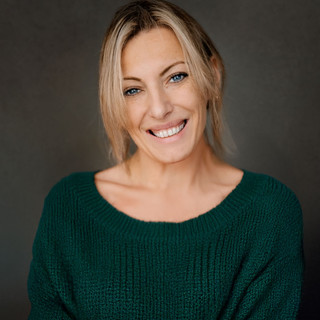
If you have ever looked at someone’s work and thought, “Must be nice to be that talented,” this episode is for you.
Because Alan Shapiro did not pop out of the womb as a food, portrait, and macro photographer with big name clients on speed dial. He built this career the same way most sustainable careers get built.
One disciplined day at a time.
Alan is New York based, and his work spans food, portraits, macro, and still life. But the part that hooked me was not just the images. It was the way he talks about building a creative life that actually supports you, instead of slowly wrecking you.
The camera that changed everything
Before Alan was a working photographer, he had a whole other career. He went to art school, cross matriculated at RISD and Brown, and ended up in advertising.
Which sounds glamorous until it is not.
He describes what happens when you climb the ladder in a high pressure organization. You go from being creative, to being a problem solver, to being a stress heavy problem solver. The stakes get bigger, the pressure gets real, and eventually the fun disappears.
Then a photographer friend walked in one day and basically said, this job is going to kill you. Here. Take this camera. Go find a happy place.
Alan did. And he still uses photography that way, even now.
The daily practice that turned into a business
One of the biggest takeaways from this conversation is Alan’s commitment to photographing every day.
Not just when he has a client shoot.Not just when inspiration strikes.Every day.
Sometimes it is personal work. Sometimes it is client work. But the discipline is the point. He compares it to people who run every day no matter the weather. Photography is his creative exercise regimen.
And that daily practice did something important. It gave him a body of work, a voice, and momentum.
How he got clients without chasing them
Alan credits a big part of his early momentum to storytelling and community online, specifically back in the Google+ era when creatives were actually finding each other in meaningful ways.
He would post daily work, plus the story behind it. Sometimes the story was about the learning curve. Sometimes it was about a cause he cared about. Sometimes it was just him being transparent about what he was building.
That combination created connection, and connection created opportunity.
At one point, Alan is out photographing veterans, documenting people and stories that matter to him. And that work leads to a call from Lockheed Martin to photograph veterans around the country.
Not because he had a perfect funnel.Not because his SEO was dialed.Because the right person saw the work, felt the connection, and followed the trail.
I pushed back in the episode on the idea that opportunities “fall out of the sky.” Alan made himself discoverable by being present and consistent, and by photographing what he genuinely cared about.
Getting into food photography by doing the obvious thing
Alan’s entry into food photography is so simple that it is almost annoying, in the best way.
He loves to eat. He has chef friends. So he asked a friend if he could spend time in the kitchen and practice.
He talks about learning the choreography of a working kitchen, staying out of the way, and then gradually moving from practice to real deliverables. Menu images. Website images. Editorial work.
The lesson here is not “go shoot food.”
The lesson is: if you want into a niche, get close to it. Ask for access. Practice in real conditions. Build relationships with the people doing the work.
Imposter syndrome does not discriminate
Alan is wildly accomplished. He has worked with major brands, photographed for magazines, created books, taught workshops.
And he still talks openly about imposter syndrome and perfection paralysis.
Honestly, that part was refreshing. Not because I want anyone to feel insecure, but because it is proof that confidence is not something you wait for before you take action.
You build confidence by doing the work anyway.
Pricing, underpricing, and the best line he uses with clients
We talk about underpricing, because every photographer I know has dealt with it, and Alan is no exception.
He shares a simple way he frames pricing conversations that is both direct and disarming. He essentially tells clients he works with huge clients and small clients, budgets vary, and it saves everyone time to talk about budget early.
Then he adjusts based on the opportunity, the scope, and the long term relationship.
Also, he tells a story about Apple calling him for a global launch. He guessed his price. Apple came back with a number that was higher. Thank you to honest clients, because not everyone would do that.
A perfect reminder about community and collaboration
Toward the end, we get into something I care about a lot.
Helping people locally. Bartering. Collaborating. Doing good work in your community without turning everything into a weird competitive game.
Alan talks about supporting new businesses on Main Street, offering help in the way you actually enjoy helping, and building real relationships that turn into word of mouth.
I added my own thoughts here too because I am so tired of the “too many photographers” narrative. We do not need fewer photographers. We need more photographers who are supported, skilled, and building sustainable businesses.
Listen to the episode
If you want the long version of all of this, including the stories, the veteran work, the shift from corporate pressure to creative clarity, and Alan’s rapid fire Q and A at the end, go listen.
This conversation is equal parts inspiring and practical. And if you are trying to build something real without burning out, you are going to get a lot out of it.
Resources
Learn more about Alan’s work: https://www.alanshapirophotography.comFollow Alan on Instagram: https://www.instagram.com/alanshapiro515/Find Alan on Facebook: https://www.facebook.com/alanshapirophotography


Comments